English

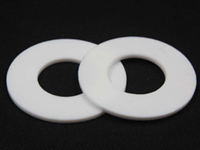
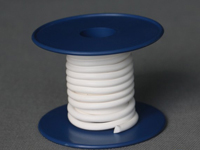
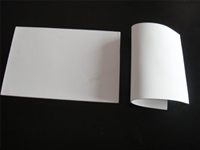
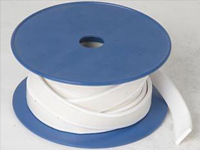
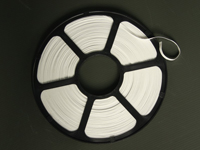
Expanded PTFE Valve Stem Packing is a high-performance sealing solution engineered for demanding valve applications. It is manufactured from pure polytetrafluoroethylene (PTFE) that has been expanded, creating a highly flexible, fibrillated structure. This unique microstructure provides exceptional sealing properties, chemical resistance, and durability, making it an ideal choice for controlling leakage around valve stems in various industrial processes, including chemical processing, power generation, oil and gas, and water treatment.
The following tables provide a comprehensive overview of the physical, mechanical, and chemical properties of our standard Expanded PTFE Valve Stem Packing material.
| Property | Test Method | Typical Value |
|---|---|---|
| Specific Gravity | ASTM D792 | 0.5 - 0.8 g/cm³ |
| Tensile Strength | ASTM D638 | 3,000 - 5,000 psi (20.7 - 34.5 MPa) |
| Elongation at Break | ASTM D638 | 50 - 200% |
| Compression Set (22 hrs @ 75°F) | ASTM F36 | 30 - 50% |
| Thermal Conductivity | ASTM C177 | 0.10 - 0.15 W/m·K |
| Coefficient of Friction (Dynamic) | ASTM D1894 | 0.05 - 0.10 |
| Compatibility Level | Chemicals / Media | Temperature Range |
|---|---|---|
| Excellent | Strong Acids (e.g., Sulfuric, Hydrochloric, Nitric), Strong Caustics (e.g., Sodium Hydroxide), Solvents (e.g., Acetone, Toluene), Chlorine, Brines, Steam, Oils, Fuels. | -268°C to +260°C (-450°F to +500°F) |
| Good | Mild Oxidizing Agents, Hot Water. | Up to +315°C (+600°F) for intermittent service. |
| Not Recommended | Molten Alkali Metals (e.g., Sodium, Potassium), Elemental Fluorine at high temperatures and pressures. | N/A |
Q: How does Expanded PTFE packing differ from conventional PTFE packing?
A: Conventional PTFE packing is typically made from sintered, granular PTFE, resulting in a denser, less flexible material. Expanded PTFE is created by a process that stretches the PTFE, creating a micro-porous, fibrillated structure. This gives it a lower density, higher flexibility, superior conformability, and better recovery properties compared to its conventional counterpart, leading to a more reliable and longer-lasting seal.
Q: What is the proper installation procedure for ePTFE valve stem packing?
A: Proper installation is critical for optimal performance. The general steps are: 1) Carefully clean the valve stem and stuffing box, removing all old packing. 2) Inspect the stem for any scratches or damage. 3) Wrap or install the ePTFE packing rings one at a time, staggering the joints by 90 degrees for each ring. 4) Tighten the gland follower evenly and finger-tight only. 5) After the system is pressurized, perform a final adjustment of the gland nuts to achieve a slight weeping leak, which will subside as the packing seats in. Avoid over-tightening, as this can cause high stem torque and premature packing failure.
Q: Can Expanded PTFE packing be used in high-speed rotary applications?
A: While ePTFE has excellent properties for reciprocating and slow-rotating valve stems, it is generally not recommended for high-speed rotary shaft applications. For such high-speed duties, specialized braided packings made from materials like aramid fibers or carbon/graphite are more appropriate.
Q: Is this packing suitable for use in oxygen service?
A: Yes, provided it is clean and properly installed. Pure PTFE is generally compatible with gaseous oxygen. However, it is crucial to ensure the packing is clean, free of any oils or contaminants, and that the system design follows all relevant safety standards for oxygen service to prevent ignition hazards.
Q: How do I select the correct size and cross-section for my valve?
A: The correct size is determined by the clearance between the valve stem and the stuffing box bore. The general rule is that the packing cross-section should be equal to this radial clearance. For example, if the stem diameter is 1 inch and the bore diameter is 1.5 inches, the radial clearance is 0.25 inches, so a packing with a 1/4" (0.25") cross-section is required. Always refer to the valve manufacturer's specifications for the recommended packing size.
Q: What are the signs that my ePTFE packing needs replacement?
A: Common indicators include persistent leakage that cannot be controlled by adjusting the gland follower, a significant increase in operating torque required to turn the valve stem, visible extrusion or degradation of the packing material, or if the system has been opened for maintenance and the packing shows signs of hardening or permanent deformation.